

Most people have heard the advice: “Drink more water.”
And while water is essential for life, hydration is about more than fluid alone. If you exercise regularly, spend time outdoors in the heat, sweat heavily, or recover from illness, simply drinking water may not fully replace what your body loses.
That’s where electrolytes come in.
Electrolytes help your body maintain fluid balance, support muscle function, and keep important systems working properly during activity and recovery. Without enough of them, you can still feel tired, sluggish, or dehydrated—even if you’re drinking plenty of water.
For active adults, athletes, and anyone living in hot climates, understanding the difference between hydration and electrolyte balance can help you perform better, recover smarter, and feel more energized throughout the day.
What Are Electrolytes?
Electrolytes are minerals that carry an electrical charge when dissolved in fluids like blood and sweat. They help regulate many of the body’s most important functions.
The primary electrolytes include:
- Sodium
- Potassium
- Magnesium
- Calcium
You naturally lose electrolytes through sweat, especially during exercise or heat exposure. Replacing them helps support proper hydration and performance.*
Why electrolytes matter
Each electrolyte plays a different role in the body:
- Sodium helps regulate fluid balance and supports nerve and muscle function.*
- Potassium supports muscle contractions and helps maintain healthy fluid balance.*
- Magnesium plays a role in muscle relaxation, energy production, and recovery support.*
- Calcium supports muscle function and healthy nerve signaling.*
Water helps move fluids through the body, but electrolytes help your body actually use and retain that fluid effectively.
Think of it this way:
- Water fills the tank.
- Electrolytes help your body use the fuel efficiently.
Without the right electrolyte balance, hydration may fall short—especially during periods of increased sweat loss.
When Electrolyte Replenishment Matters Most
For everyday, low-activity situations, drinking water throughout the day is often enough to support hydration.
But some situations place greater demands on the body.
Exercise lasting longer than 60 minutes
The longer and harder you exercise, the more fluids and electrolytes you lose through sweat.
Activities that often increase electrolyte needs include:
- Long-distance running
- Cycling
- High-intensity interval training
- Team sports
- Endurance events
- Hot yoga
- Outdoor workouts
When exercise extends beyond an hour, replacing electrolytes may help support endurance, hydration status, and recovery.*
Hot and humid environments
Heat increases sweat production, even during light activity.
Whether you work outdoors, spend time at the beach, hike in summer temperatures, or simply live in a hot climate, your body may lose more sodium and fluids than you realize.
Signs of dehydration can appear faster in warm conditions because sweat evaporates quickly and losses may go unnoticed.
High-sweat individuals
Some people naturally sweat more than others.
If your clothing develops salt marks after workouts or sweat drips heavily during exercise, you may benefit from more intentional electrolyte replenishment.
Heavy sweating can increase losses of sodium and potassium in particular.
Illness and recovery
Vomiting, diarrhea, fever, and excessive fluid loss during illness can affect electrolyte balance.
In these situations, hydration support often requires both fluids and electrolytes—not water alone.
If symptoms are severe or prolonged, it’s important to consult a healthcare professional.
Signs Your Body May Need Electrolytes
Electrolyte imbalances can range from mild to more serious. In many cases, the early signs are easy to overlook.
Common signs may include:
- Muscle cramps
- Fatigue or sluggishness
- Headaches
- Dizziness
- Weakness during workouts
- Feeling unusually thirsty
- Brain fog or difficulty concentrating
- Nausea after intense sweating
These symptoms do not always mean electrolyte imbalance, but they may indicate that your body needs more than plain water—especially after heavy sweating or prolonged activity.
Hydration works best when both fluids and electrolyte levels stay in balance.
Water vs. Sports Drinks vs. Electrolyte Mixes
Not all hydration options are built the same. Some products focus mainly on fluids, while others are designed to help replenish electrolytes lost through sweat.
| Hydration Option | Main Purpose | Electrolytes | Sugar Content | Best For |
| Water | Basic hydration | Minimal | None | Everyday hydration, low activity |
| Traditional Sports Drinks | Fluids + quick energy | Moderate | Often high | Intense activity or endurance sports |
| Electrolyte Drink Mixes | Electrolyte replenishment + hydration support | Often targeted and balanced | Varies by formula | Active lifestyles, heat, recovery, daily hydration support |
How to Choose a Smarter Hydration Solution
Hydration products can vary widely. Reading labels carefully can help you find an option that fits your goals and lifestyle.
Look for key electrolytes
A quality hydration solution should include important electrolytes such as:
- Sodium
- Potassium
- Magnesium
- Calcium
Balanced formulas are often designed to support hydration, performance, and recovery needs.*
Pay attention to sugar levels
Some traditional sports drinks contain large amounts of added sugar.
While carbohydrates can be useful during long endurance events, many people prefer hydration options with moderate or lower sugar content for everyday use.
Choose a product that aligns with your activity level and nutritional preferences.
Consider artificial additives
Some consumers look for hydration products without excessive artificial colors, flavors, or unnecessary fillers.
Simple, purposeful formulas may fit more easily into everyday wellness routines.
Think about convenience
Hydration support works best when it fits your lifestyle.
Single-serve stick packs, portable drink mixes, and easy-to-mix options can make it easier to stay consistent whether you’re at the gym, on the field, traveling, or spending time outdoors.
Hydration That Works Harder
Water is essential. But during intense activity, heat exposure, long workouts, or heavy sweating, hydration often requires more than fluids alone.
Electrolytes help support the balance your body depends on for muscle function, fluid regulation, endurance, and recovery.*
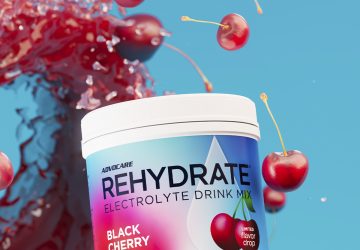
That’s why many active adults are turning to purpose-formulated electrolyte drink mixes designed to help replenish what sweat takes away. Products like AdvoCare Rehydrate® are made to support hydration, electrolyte balance, and recovery needs for people who want hydration that works harder for everyday performance.*
Small habits can make a big difference. And smarter hydration may help you feel ready for whatever your day demands next.
*These statements have not been evaluated by the Food and Drug Administration. This product is not intended to diagnose, treat, cure or prevent any disease.
Frequently Asked Questions
Is drinking water enough to stay hydrated?
Not always. During prolonged exercise, heavy sweating, heat exposure, or illness, your body loses electrolytes along with fluids. Replacing both water and electrolytes may better support hydration and recovery.*
What are the main electrolytes your body needs?
The primary electrolytes include sodium, potassium, magnesium, and calcium. These minerals help support fluid balance, muscle function, and nerve signaling.*
When should you drink electrolytes instead of plain water?
Electrolyte support may be helpful during workouts lasting longer than 60 minutes, intense sweating, hot weather, endurance exercise, or recovery after illness involving fluid loss.